
Back to Files
Slip and Fall vs. Trip and Fall: Legal Differences
12/11/2025
admin_h6egxurg
blog
Falls are among the most common causes of preventable injuries, but not all falls happen the same way. While slip and fall and trip and fall cases may seem similar, the legal distinctions between them can significantly influence liability, evidence requirements, and the outcome of a claim.
Understanding the difference can help you determine what kind of case you have—and whether you may need a trip and fall attorney or slip and fall lawyer to protect your rights.
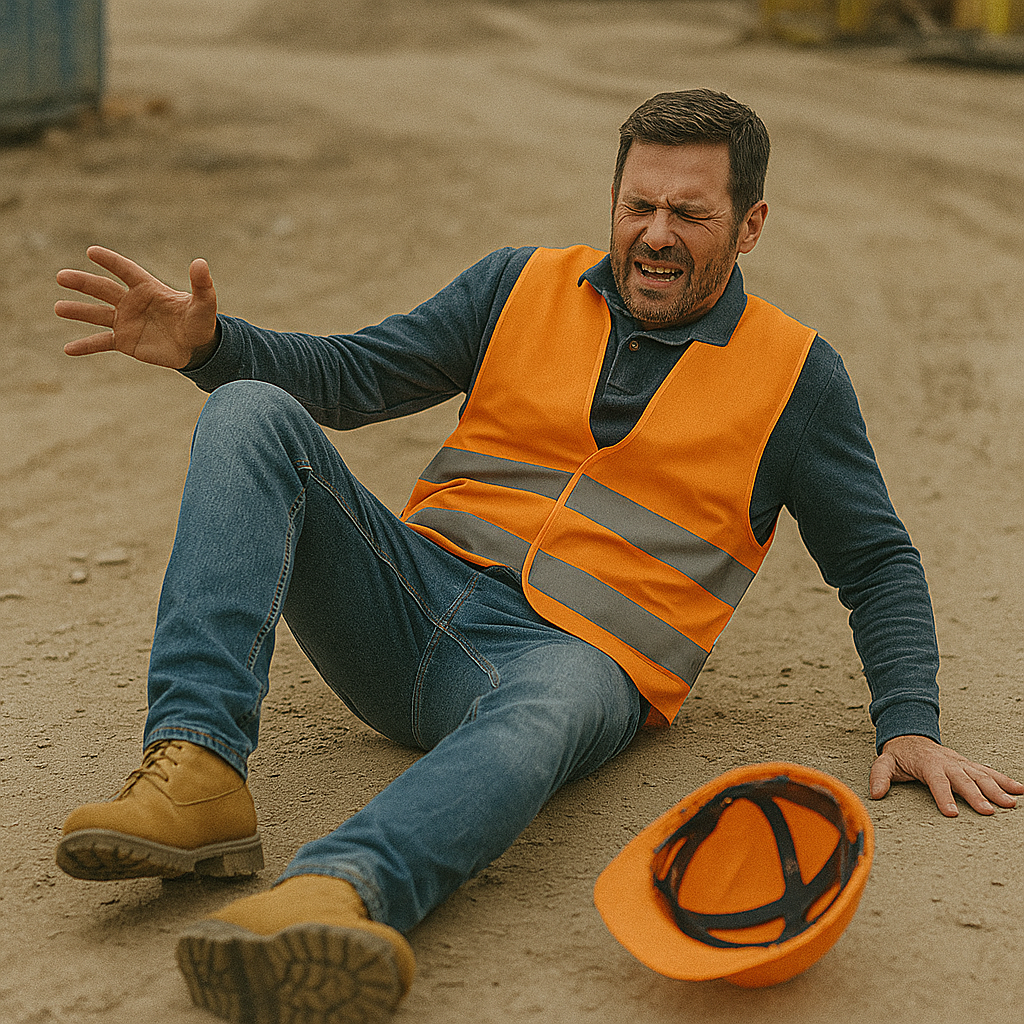
What Is a Slip and Fall Accident?
A slip and fall occurs when your foot loses traction, causing your body to slide and fall backward or sideways. These accidents typically happen because of unsafe surface conditions such as:- Wet floors (from spills, mopping, melted snow)
- Recently waxed or polished surfaces
- Icy sidewalks or walkways
- Grease or oil on the ground
- Loose rugs or mats without grip
- Back injuries
- Hip fractures
- Wrist sprains or breaks
- Head injuries or concussions
- Shoulder injuries
What Is a Trip and Fall Accident?
A trip and fall occurs when your foot hits an object or uneven surface, causing you to fall forward. These accidents happen when there is something in your walking path that shouldn’t be there, such as:- Uneven pavement
- Cracked sidewalks
- Loose floorboards or tiles
- Cluttered aisles
- Raised carpets or cords
- Broken steps
- Facial injuries
- Broken hands or wrists
- Knee injuries
- Shoulder dislocations
- Cuts and abrasions
Key Legal Differences Between Slip and Fall and Trip and Fall Cases
Although both fall types fall under premises liability law, there are important legal differences:1. The Cause of the Accident
- Slip and fall → lack of traction
- Trip and fall → obstacle or uneven surface
2. The Direction of the Fall
- Slip → backward or sideways
- Trip → forward This can help medical experts and attorneys reconstruct the incident.
3. Types of Evidence Required
Slip and fall cases often rely on:- Surveillance footage
- Maintenance logs
- Weather reports
- Wet floor signage
- Photos of the hazard
- Property repair records
- Measurements of raised surfaces
- Witness statements
4. Types of Defendants
Slip and fall: often stores, building owners, landlords, maintenance crews. Trip and fall: often municipalities (sidewalks), contractors, property managers, or businesses.5. Legal Strategy
Slip and fall cases require proving a hazard reduced traction. Trip and fall cases require proving an obstruction or defect caused the fall. Each requires different investigative approaches and legal arguments.Who Is Liable?
Liability may fall on:- Property owners
- Businesses
- Landlords
- Municipalities (in sidewalk cases)
- Maintenance or cleaning companies
- Contractors responsible for repairs
How a Fall Injury Attorney Helps You
Whether you slipped or tripped, an attorney can:- Investigate the scene
- Secure surveillance footage
- Obtain maintenance or repair records
- Identify all responsible parties
- Handle insurance negotiations
- File your claim within legal deadlines
When to Contact Shapiro The Hero
If you’re unsure whether your injury is a slip and fall or a trip and fall—or who may be liable—Shapiro The Hero can help you figure it out. You’ll receive:- A free case evaluation
- Clear explanation of the legal differences
- Guidance on next steps
- No attorney fee unless the firm wins your case
S
Adam L. Shapiro & Team
Personal Injury Advocates